
AI Fluency for Purpose-Driven Organizations
How might AI
AI is already shaping how we work. This moment asks us to learn together, and to build the collaborative integrity our work depends on.
Common Field teaches purpose-driven organizations, teams, and leaders to build AI fluency through a guided, hands-on studio learning approach.
AI Fluency for Purpose-Driven OrganizationsBuying new tools is easy.
Learning to work differently is hard.
Common Field teaches organizations, teams, and leaders how to build AI-fluency, improve augmented workflows, and compound organizational learning.
The real problemMost organizations think AI adoption is a technology problem.
It's actually a learning problem.
Your team may already be using AI, just not together, and not in ways that compound over time. Some people are ahead. Others are uncertain. Nobody is sharing workflows, best practices, or the same understanding of what's actually allowed, or even possible.
The result is fragmentation. Scattered individual use that never coheres into shared capability. Missed opportunities to build on what colleagues are learning. Collective intelligence that stays locked in individual heads instead of circulating through the team. Knowledge lost with staff departures, and messy onboarding.
Closing that gap calls for a culture shift, and it requires more than a training day.
The real problemMost organizations think AI adoption is a technology problem.
It's actually a learning problem.
Your team may just be starting or already using AI, just not together, not consistently, and not in ways that compound over time. Some people are ahead. Others are uncertain. Nobody has quite the same workflow, the same standards, or the same understanding of what's actually allowed, or even possible.
The result is fragmentation. Scattered individual use that never coheres into shared capability. Missed opportunities to build on what colleagues are learning. Collective intelligence that stays locked in individual heads instead of circulating through the team. Knowledge lost with staff departures, and messy onboarding.
Closing that gap calls for a culture shift, and it requires more than a training day.
The OpportunityUsed well, AI doesn't replace the deeply human work. It frees you to do more of it.
The goal was never to hand your work to a machine. It was to reclaim the time, attention, and creative energy that gets consumed by tasks AI can genuinely handle, so your people can do more of what only humans can do. The thinking, the relating, the judgment, the care.
Getting there requires more than a tool. It requires practice, experimentation, and honest evaluation of where AI actually helps and where it gets in the way. It requires a shared language so the whole team is working from the same understanding. And it requires the kind of learning that only happens when people work through something together.
That's what our studio model is built for.
How we workWe start by mapping your workflows and identify where to leverage AI and when to leave it alone.
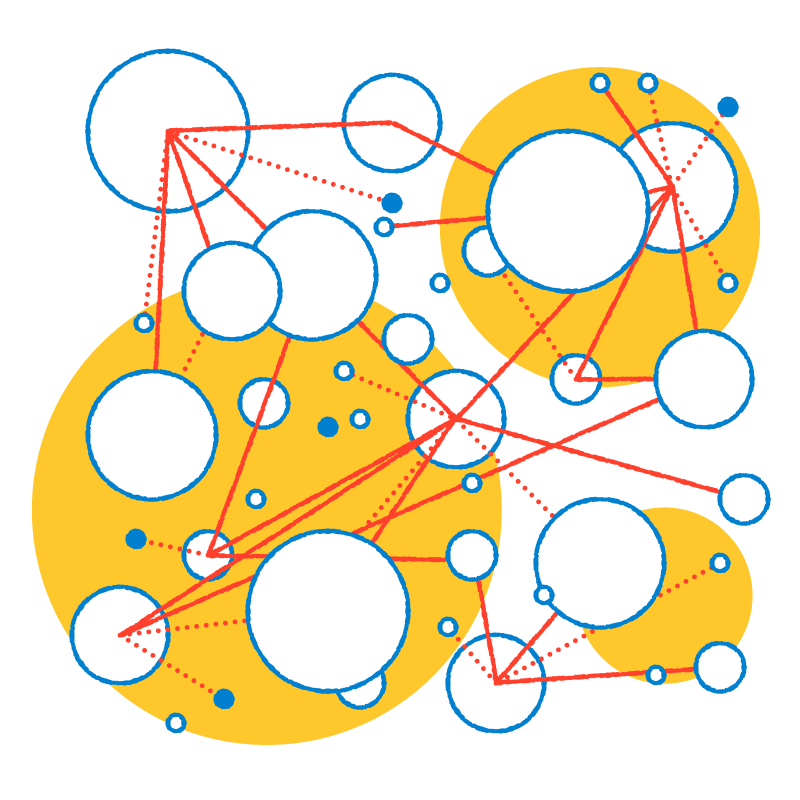
Assessing current AI use
There is no predetermined program here. We start by mapping your organization's current relationship with AI: where fluency lives, where friction sits, what your people fear, and what they are quietly capable of. Every curriculum is tailored to your sector, your goals, and the specific work your team does. You choose the engagement that fits your capacity and your ambitions. Each offering is complete and valuable on its own. Together, they trace a path toward a team that is genuinely AI fluent and ready to lead that practice forward independently.
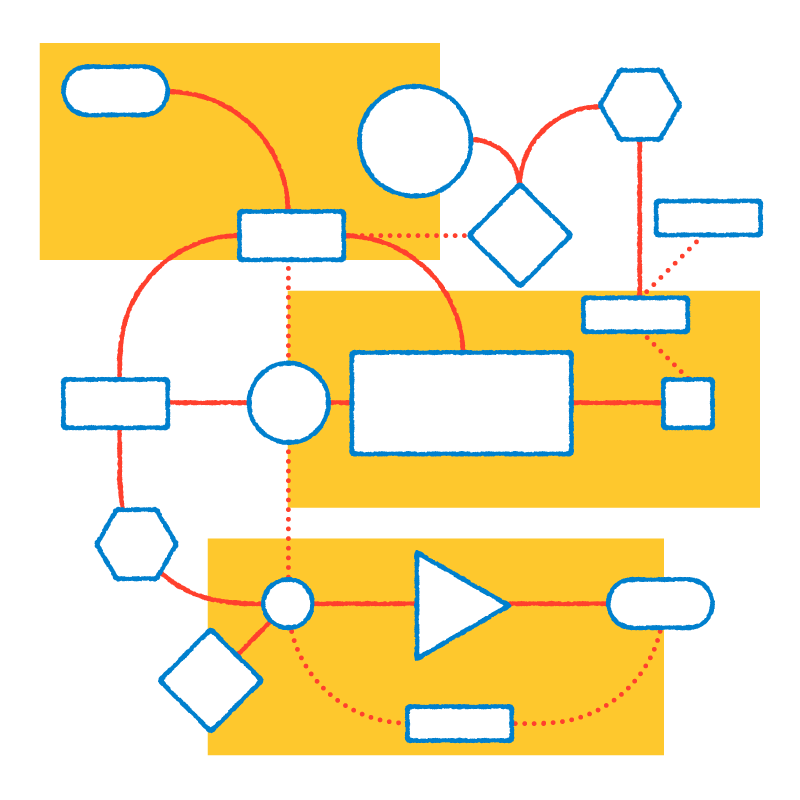
Mapping Workflows
Building Collaborative Workflows
01AI Culture Mapping
Where are we now?
A structured diagnostic that surfaces your current relationship with AI, what's working, what's holding you back, and what comes next.
01AI Culture Mapping
Where are we now?
A structured diagnostic that surfaces your current relationship with AI, what's working, what's holding you back, and what comes next.
01AI Culture Mapping
Where are we now?
A structured diagnostic that surfaces your current relationship with AI, what's working, what's holding you back, and what comes next.
01AI Culture Mapping
Where are we now?
A structured diagnostic that surfaces your current relationship with AI, what's working, what's holding you back, and what comes next.
01AI Culture Mapping
Where are we now?
A structured diagnostic that surfaces your current relationship with AI, what's working, what's holding you back, and what comes next.

Why usA guide who takes the human side as seriously as the technical side.
Most AI adoption support arrives with a predetermined answer. A tool stack to adopt, a framework to implement, a single perspective on what progress looks like.
We work differently. The approach here is experiential, creative, and grounded in the real complexity your team is navigating. We hold the promises and the uncertainties of AI together, because that honesty is what makes it possible to move forward with confidence rather than compliance.
Your values stay in the room. So does your uncertainty. And your people leave more capable and more aligned than when they arrived.
Who this is forOrganizations building toward better futures, and willing to learn their way there.
You are doing work that matters. Climate, justice, systems change, community resilience, the kind of work that asks everything of the people doing it. You are visionary and future-facing, and you carry a genuine question underneath the noise: if we embrace AI, do we risk losing the humanity that makes this work worth doing?
That question is exactly where we start.
We work with foundations and philanthropic funders, climate and environmental organizations, social enterprises, systems-change labs, and mission-driven teams navigating complexity at scale. What they share is a commitment to just and regenerative futures, and the recognition that getting there will ask their teams to keep growing.
Foundations & philanthropic fundersClimate & environmental organizationsSocial enterprisesSystems-change labsPurpose-driven companiesWho's behind thisJP King
Learning ArchitectI came to this work through teaching. For years I worked with art and design students, helping them develop a relationship with powerful, unfamiliar tools, creating conditions where they could experiment, struggle productively, and discover what they were capable of. The subjects ranged from printmaking to regenerative design to artificial intelligence. That pedagogy shapes everything about how I work with organizations today.
I am a creative systems thinker with a deep attunement to the emotional and relational dimensions of change. My background spans art and design, education, facilitation, coaching, therapy, corporate consulting, and municipal government, and I bring all of it to bear on how teams and organizations grow. I co-led organizational learning and governance at Dark Matter Labs, working with partners including Shorefast and the City of Boston. I have designed learning experiences for the University of Toronto, and contributed to Margaret Atwood's Practical Utopias futures project. My design work has reached Fast Company, New Scientist, and Oxford University Press.
What two decades of teaching have shown me is that people grow fastest when they feel genuinely supported, honestly challenged, and given room to surprise themselves. That is what I design for, whatever the subject.
Common Field is the practice I have been building toward. I work with a trusted network of collaborators and specialists, brought in where their expertise deepens the work. If what you have read here resonates, I would love to hear from you.
Let’s talkYou've found your guide.
Every engagement starts with a conversation. Tell us a little about your organization and what you're navigating. We'll get back to you within two business days.