
Organizational learning for an AI-shaped workplaceAI is changing how work happens.
Let’s decide how we want to work with it.
Common Field helps mission-driven organizations understand where AI can genuinely improve their work, where it can get in the way, and what their people need to learn to use it well.
The Problem with AI ADOPTION
Your team is already using AI. Just not together.
Buying new tools is easy. Learning to work differently is hard.
AI usually enters an organization person by person. One person uses it every day and has developed an excellent workflow nobody else knows about. Another avoids it. Someone else experiments without knowing what is possible, or even allowed. People wonder, “Am I cheating, going to be replaced, or losing my best skills?” Quiet fear and excitement simmers underneath the work. The result can be uneven adoption, duplicated effort, inconsistent quality, hidden risks, and a great deal of unrealized learning.
When used well, powerful AI tools can provide an execution layer beneath your operations. But learning to work differently takes creativity, experimentation, and critical evaluation. We help teams develop the capabilities to compound their collective intelligence.
How can AI help with strategy, communications, administration, and project management?
What happens to our judgment when more work is delegated to machines?
Could AI free up our time to do more of the deeply human work that matters most to us?
What do we risk losing when creative or relational work is automated?
How can AI help with cross-functional collaboration and knowledge translation?
Could AI make research, reporting, or proposal building take hours instead of days?
Could AI turn organizational knowledge into something more accessible and useable?
How do we hold excitement, hesitation, and resistance at once?
These opportunities and concerns are part of the work. Common Field helps organizations bring AI use into the open and develop a shared practice grounded in mission, values, and real operational needs.
OUR APPROACHWe start with your work.
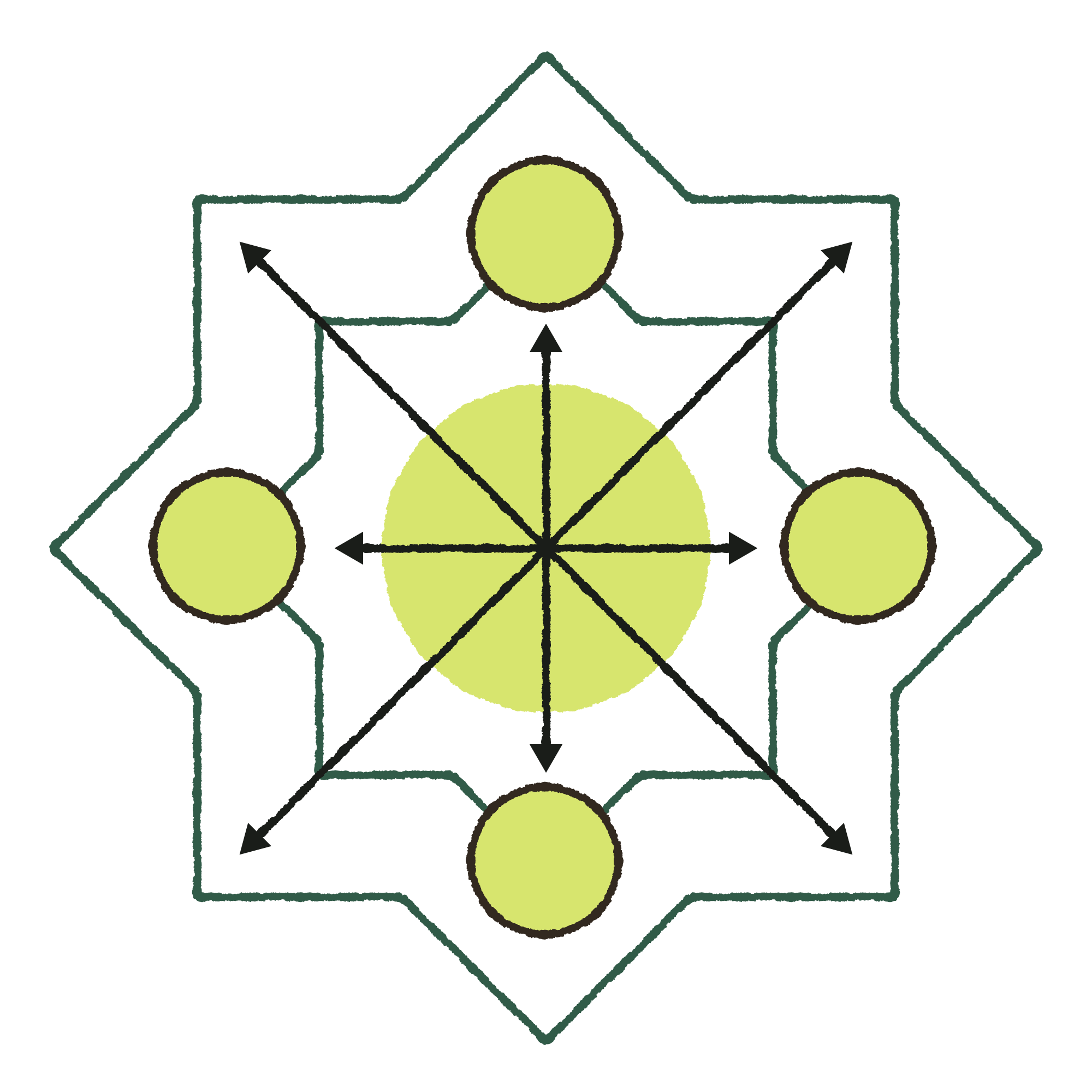
We identify where AI could help or hinder, co-design new workflows with your team, and teach them how to collaborate with AI systems.
We map recurring tasks, information flows, knowledge, decisions, software, bottlenecks, frustrations, and existing AI practices.
We bring empathy to the ways your people are navigating disruption and the rapidly changing landscape of work. We also seek to understand your culture, where friction sits, and where fluency already lives.
THE MOST IMPORTANT QUESTIONBut what should stay human?
Efficiency is only one measure of good work. People find meaning in making things, thinking carefully, building relationships, exercising judgment, and practicing their craft. Those things deserve protection. So, we need to be careful about where we invite AI into an organization.
Protect
Work you value doing yourselves and want to preserve as meaningful human practice.
Assist
Work where AI can support people while human judgment remains central.
Automate
Routine work where responsible automation can return time and attention.
Avoid
Uses that create unacceptable risk, degradation, complexity, or cost.
The question is not, what can AI do? It is, what do we want it to do.
SERVICE PACKAGE A: Culture + Workflow AlignmentDiscovery Lab
We study how you work and explore what is possible.
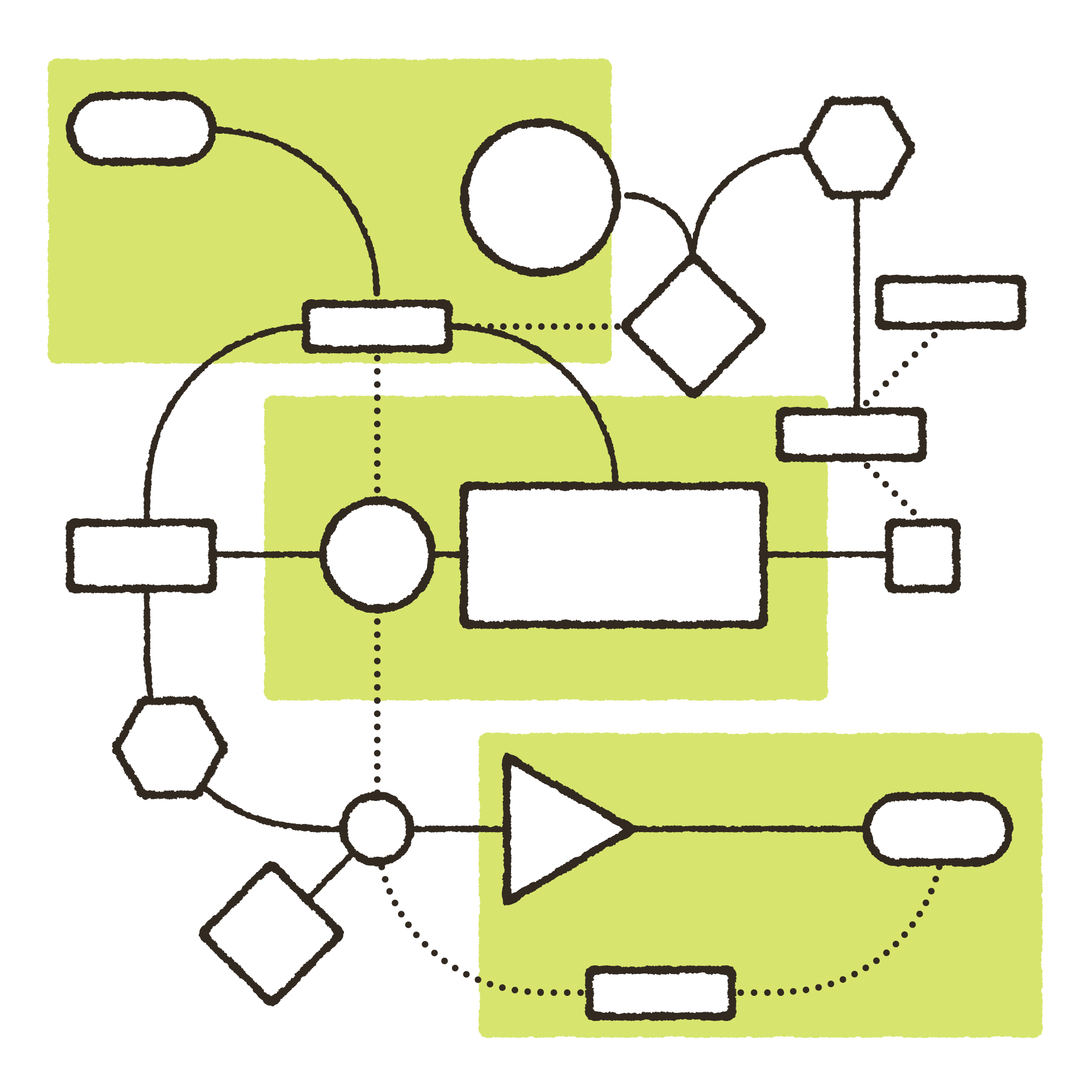
For organizations looking to align culture and workflows, our Discovery Lab is a focused 4 to 6 week engagement designed to uncover creative pathways for responsible AI integration. It combines organizational research, workflow analysis, AI tool research, experimentation, and practical learning.
01 LISTEN + MAPDiscover
Through staff interviews, workflow mapping, document review, and analysis of existing tools and AI use, we develop a clear picture of your organization.
How AI is being used
Where are the bottlenecks
What work the team values
What is holding people back
02 RESEARCH + ASSESSResearch
We investigate what current tools and workflows could realistically offer, evaluating opportunities against the things that make them useful and sustainable.
What is possible
Where AI might create value
How can workflows change
Identify quick wins
03 Make + TESTExperiment
We create a protected space in which your team can prototype workflows, test them on real tasks, evaluate what happens, and learn from the results.
Build new capabilities
Co-design workflows
Host open conversation about AI
Establish shared principles
04 DECIDE + MOVEGrow
You leave with a practical view of the near horizon. It gives the team shared language for action, curiosity, patience, and boundaries.
Try now
Explore next
Watch
Avoid
SERVICE PACKAGE B: Collective Capability Building
Learning Lab
Turn individual experimentation into organizational learning.
For teams ready to build collective confidence to co-create with AI systems, we create a flexible and safe space to learn through actual work. With hands-on upskilling, practical experimentation, and applied AI education, this engagement is customized to include studio sessions, coaching, office hours, workflow reviews, and facilitated reflection.
Our Learning Lab can take many forms: a one-day workshop, a virtual retreat, weeklong sprint, or monthly sessions, and can be delivered remote or in-person.
01Learn
Explore new capabilities and approaches as the technology changes.
02Experiment
Test emerging practices against real organizational challenges.
03Reflect
Discuss what worked, what failed, and what should change.
04Share
Turn one person’s discovery into knowledge the whole team can use.
05Build
Develop stronger workflows, templates, assistants, and practices.
06Coach
Support people and internal stewards as questions emerge in practice.
The goal is a team that becomes increasingly capable of making good decisions for itself as AI evolves.
WHAT YOU LEAVE WITHClarity you can use. Capabilities to grow.
We work with you to scope every engagement so we can build toward the outcomes you need. The exact mix of what your people walk away with is grounded in your actual work and designed to carry learning forward.
Engagements might include:
01A map of current work
Key workflows, bottlenecks, knowledge flows, and existing AI practices.
02AI opportunity map
Specific, researched possibilities grounded in your organization.
03Protected-work map
A shared view of where judgment, creativity, craft, and relationships stay central.
04Tested experiments
Lightweight prototypes or redesigned workflows evaluated through real use.
05Shared AI fluency
Common language and practical judgment around when and how to use AI well.
06Working principles
Clear guidance around safe use, data, disclosure, experimentation, and review.
07A practical roadmap
Concrete recommendations for what to adopt, learn, build, investigate, or avoid next.
OUR MISSION + APPROACH
Build lasting AI fluency across your organization
AI is changing too quickly for organizations to rely on static rules or one-time training. People need space to try things, make mistakes, compare experiences, ask difficult questions, and turn individual discoveries into collective capability.
Common Field uses a studio model drawn from art and design education. We teach, facilitate, and guide your team as they experiment on real work. Your team learns when and where to delegate to AI, how to prompt, evaluate what comes back, and maintain a critical eye toward the whole process. Then you carry the useful learning into everyday practice.
DelegationKnow when to reach for AI, and when to set it aside.
DescriptionCommunicate tasks clearly enough to hand them over.
DiscernmentEvaluate what comes back with a critical, honest eye.
DiligenceTaking responsibility for how AI is used, ethically and safely.
Over time, AI fluency becomes less about knowing a particular tool and more about developing judgment.
Ethical Agility LabAI raises legitimate questions about privacy, intellectual property, environmental impact, labour, bias, trust, creative practice, and the gradual outsourcing of human judgment.
For organizations that want deeper support, Common Field includes an AI Ethics supplement with Dr. Madelaine Ley, an applied ethicist specializing in emerging technology.
We need to talk about the Ethics of AI.
Living Policy LabYou need a living policy to align your people.
Your organization needs an AI policy because your team is already deciding how, when, and where to use and respond to AI. Make sure everyone is aligned.
We guide your organization through a participatory design process to build practical, safe, and transparent AI guidelines.
WHO THIS IS FORWe work with mission-driven teams navigating real change.

The strongest fit is an organization already experimenting with AI, or ready to explore it seriously, that wants greater coherence, learning, and intention in how the technology enters its work.
Climate + environment
Housing + community
Education + learning
Arts + culture
Systems change labs
Non-profits + charities
Social-purpose initiatives
Foundations + philanthropy
Some teams begin with the Discovery Lab. Others know where they want to experiment and begin directly with a Learning Lab. We start from where you are.
ABOUT COMMON FIELDCommon Field is led by JP King.

An organizational learning consultant, systems designer, educator, and facilitator.
JP has spent more than two decades designing learning experiences, tools, workflows, frameworks, and participatory processes across nonprofits, universities, creative organizations, public institutions, and systems-change initiatives.
At Dark Matter Labs, he co-led organizational development, governance, and learning. He has taught art and design at the University of Toronto, using inquiry, experimentation, visual thinking, and studio-based learning to help students work through complex social and environmental questions.
Training in Gestalt psychotherapy and Co-Active coaching continues to shape how he approaches change, uncertainty, resistance, group dynamics, and the human side of organizational learning.
JP works with a close group of associates to expand capacity when needed.
systems thinking
-
creative learning
-
empathy
-
organizational design
-
facilitation
-
regenerative futures
-
systems thinking - creative learning - empathy - organizational design - facilitation - regenerative futures -
AN INVITATIONTell us about your work, what you’re learning, and how your organization is changing.
We’d love to see how we can help.